
Sportswear Retail Is an Experience Product
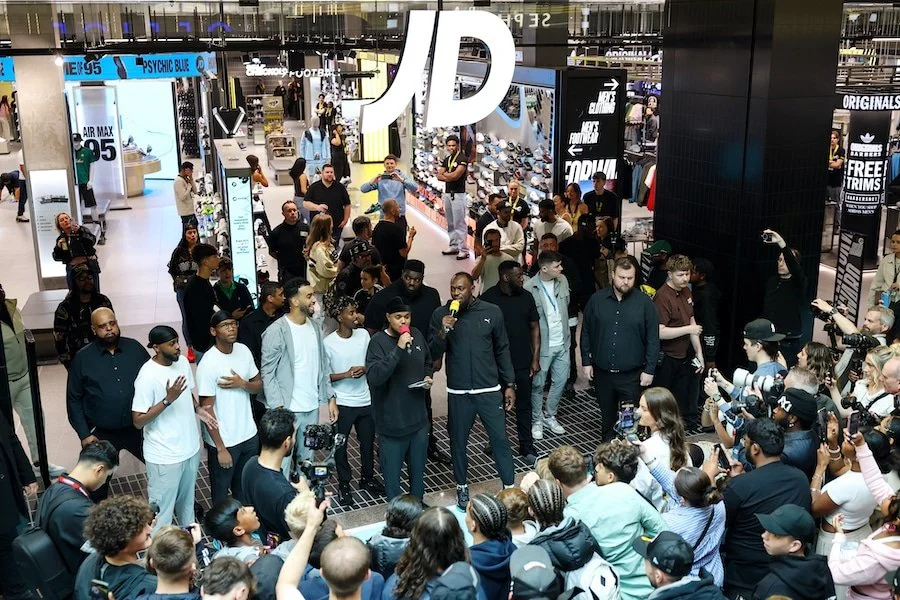
At first glance, sportswear retail looks simple.
Stores sell trainers.
Websites sell trainers.
Customers buy trainers.
But that isn’t really the product.
The real product is the experience around the product.
Sportswear sits at the intersection of sport, fashion, music, and culture. A pair of trainers is rarely just a functional purchase. It’s a signal of taste, identity, and belonging.
The retailers who succeed in this space understand they are not just selling inventory.
They are designing experiences.
Discovery Is the Product
Customers rarely arrive knowing exactly what they want.
They browse.
They notice silhouettes, colours, and collaborations they hadn’t considered before.
Great retail environments are designed for this.
Product placement, lighting, storytelling, and store flow guide attention and create moments of discovery.
The same principle applies online. The best e-commerce experiences don’t just support search - they support exploration.
Discovery isn’t accidental.
It’s designed.
Culture Drives Demand
Sportswear is deeply connected to culture.
But culture rarely moves in a straight line from brand to consumer.
The Nike Air Max 95 is a good example. Nike designed it as a performance running shoe. What they didn’t design was its adoption by grime artists, garage DJs, and young people across London’s council estates in the late 90s and early 2000s.
Wiley, Skepta, and Dizzee Rascal - the architects of early grime - weren’t endorsing the Air Max 95.
They were simply wearing it.
That community didn’t wait for permission. They claimed it. And in doing so, they gave the shoe a meaning that no marketing campaign could have manufactured.
That’s how culture actually works in this space.
The most resonant products often acquire their meaning from the ground up — from the communities that wear them, not the brands that make them. Music, place, and identity fuse with a silhouette until the two become inseparable.
Retailers operating in this space need to understand that.
The cultural weight a product carries when it arrives on your shelves often has very little to do with you - and everything to do with who was wearing it first.
Scarcity Creates Energy
In most industries, scarcity is a problem.
In sportswear retail, it’s often the strategy.
Limited releases turn product launches into events.
Global streetwear brands like Supreme, Palace and Corteiz have built entire business models around drops. Each release creates anticipation, queues, and online frenzies that extend far beyond the product itself.
The same pattern exists locally.
Manchester brands like Drama Call and Clint’s use drops to build momentum and community. Limited releases generate conversation, energy, and participation.
Customers aren’t simply purchasing.
They’re waiting, anticipating, competing, and sharing.
Scarcity creates energy around the product.
Stores Are Interfaces
It’s easy to think of stores as distribution channels.
But great sportswear stores function more like interfaces.
They guide attention.
They frame products.
They shape perception.
The same pair of trainers can feel completely different depending on how it’s presented.
Retail design, visual merchandising, and layout are all forms of experience design.
The Real Product
For product teams in retail, this changes the perspective.
The product isn’t just the item on the shelf.
It’s the journey around it:
discovering a new release
understanding the story behind it
browsing collections
participating in a drop
sharing the moment with others
When these elements work together, retail becomes more than a transaction.
Trainers may be the item being sold.
But the experience around them is the real product.
